LBC Cash on Delivery (COD) – How It Works for Sellers and Buyers
LBC COD lets an online seller ship an order now and get paid later, once the rider hands the parcel to the buyer and collects the money at the door. For buyers, it removes the risk of paying in advance for something that never arrives. This guide explains how LBC cash on delivery works from both sides of the sale.
What Is LBC COD?
Cash on delivery (COD) is an LBC service built for online sellers. The seller books the shipment with an amount to collect. An LBC rider brings the parcel to the buyer’s address, receives the payment, and LBC then sends that money to the seller.
Does LBC have cash on delivery?
Yes. LBC offers cash on delivery (COD): a rider brings the parcel to the buyer’s address, collects the payment, and LBC sends the money to the seller. No registration is needed, although LBC recommends a free LBC Online account and requires one for bulk bookings.
How does LBC COD work?
The seller books the parcel with the amount to collect, either online or through a same-day rider pick-up. LBC delivers it, the buyer pays the rider when the parcel arrives, and LBC remits the payment to the seller. LBC states that Asenso Hub sellers receive their remittance within 24 hours.
How Sellers Book an LBC COD Shipment
LBC says no registration is needed to send a COD parcel. Even so, a free LBC Online account is recommended, and it is required if you want to book COD shipments in bulk.
Step 1 – Prepare the order details
Have the buyer’s full name, delivery address, mobile number, and the exact amount the rider should collect. Double-check the amount, since that is what the buyer will be asked to pay.
Step 2 – Book online or at a branch
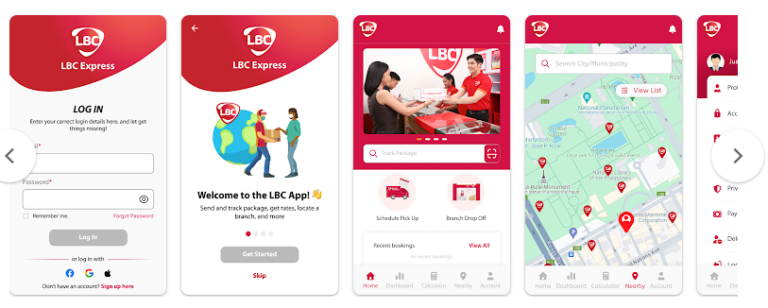
Book through LBC Online, where multiple orders can be entered in one go, or bring the parcel to an LBC branch. LBC also offers same-day rider pick-up, so the parcel can be collected from your home or shop.
Step 3 – Pack and hand over the parcel
Seal the item securely, attach the label, and hand it to the rider or branch staff. Keep the receipt; it carries the tracking number you will share with the buyer.
Step 4 – Share the tracking number
Send the buyer the tracking number from the receipt so they can follow the parcel with LBC tracking and be ready with the payment. Our guide to the LBC tracking number shows where to find it.
Selling regularly? LBC’s free Asenso Hub seller program (sign-up through LBC Online) supports COD, COP, GCash, and the Metromart payment gateway in one place.
LBC COD Fees and Waivers
Shipping cost depends on the parcel’s weight and destination, and box fees may apply on top. For an estimate, use LBC’s official rates calculator, which covers COD shipments. Note that its estimates exclude valuation fees, box fees, and other charges.
According to LBC’s COD page, booking through LBC Online comes with these perks:
Promotional rates change, so confirm the current amount on LBC’s site before quoting a shipping fee to your buyer. For the ways you can settle shipping charges, see our LBC payment methods guide.
How and When Sellers Get Paid
Once the rider collects the payment, LBC remits it to the seller. For sellers in the Asenso Hub program, LBC states that remittance is made within 24 hours.
What Buyers Should Do on Delivery
As a buyer, a little preparation makes the hand-over quick and safe.
Never send money to a separate GCash number, bank account, or link someone gives you by text or chat for an LBC COD parcel. Pay only the rider at the door, against the parcel in front of you. Requests for advance “release fees” are a common scam.
LBC COD vs COP
Both services let the buyer pay on receipt, but the hand-over point differs. With COD, the rider brings the parcel to the buyer’s door. With COP (cash on pick-up), the buyer goes to a chosen LBC branch to claim and pay for it.
Choose COD when buyers want home delivery, and COP when they prefer collecting at a branch near them. Read our full LBC COP guide for how branch pick-up works.